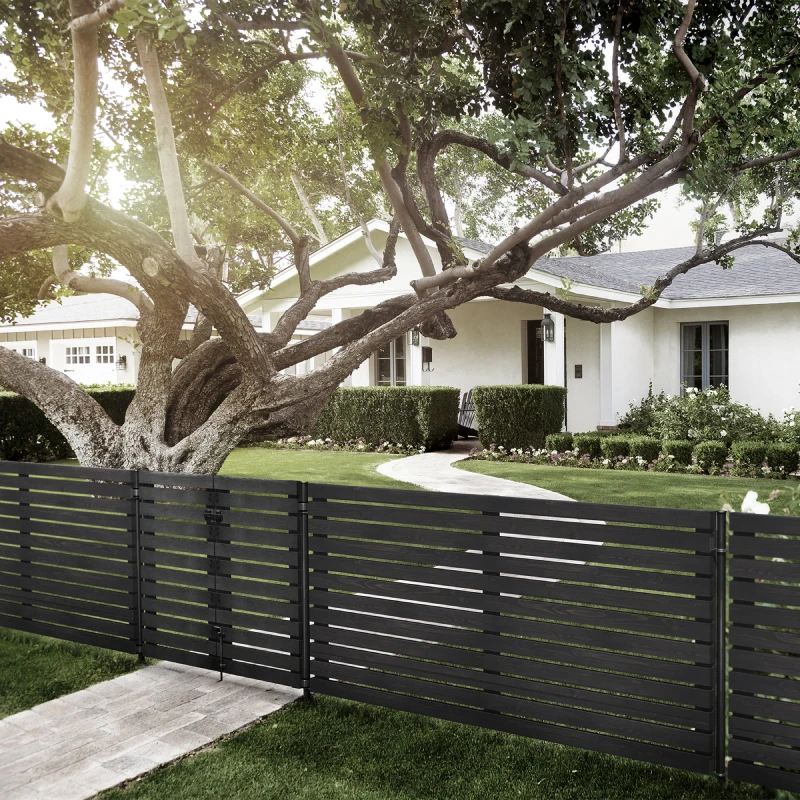
The Importance of Proper Post Depth Understanding the 6.5 Foot Standard When it comes to construction, gardening, or even simple DIY projects, the depth at which you install a post is crucial. Whether you're setting up a fence, building a deck, or erecting a flagpole, understanding the standard of 6.5 feet for post depth is essential for ensuring stability and durability. In this article, we will explore the reasons behind this measurement, the implications of not adhering to it, and some tips on how to properly set a post. Why 6 .5 Feet? The standard of 6.5 feet for post depth is commonly recommended for various types of posts, particularly those that support structures like fences or deck railings. This depth ensures that the post receives sufficient grip from the surrounding soil. Generally, a guideline often followed is that a post should be buried at least one-third of its total height for stability. Therefore, a 6.5-foot post means digging down approximately 2 to 3 feet depending on the overall height of the structure that is to be supported. The importance of this depth cannot be overstated. Posts buried too shallow can easily become unsteady, swaying dangerously in strong winds or as the ground shifts. Over time, insufficiently secured posts can even lean or snap under pressure, leading to costly repairs or replacements. Soil Conditions Matter Different soil types can significantly influence the decision about post depth. Sandy and loose soils may require deeper installations compared to clay soils, which hold moisture and provide better anchoring. In areas prone to frost, a deeper post may also be necessary to prevent heaving during freeze-thaw cycles. The 6.5-foot rule provides a solid baseline, but it’s crucial to assess your specific conditions to make the best choice. Implications of Incorrect Depth Failing to set your posts to the recommended depth can have several negative consequences. First, there’s the risk of structural failure. For instance, if you install a fence and the posts are not deep enough, you may find that it leans or falls over, especially during inclement weather or after heavy rainfall when soil becomes saturated and unstable. t post 6.5 ft Moreover, posts that aren’t installed properly can contribute to an overall lack of aesthetics in your project. A crooked fence or a tilting deck can detract from the visual appeal of your property, diminishing its value and leading to complaints from neighbors. Tips for Setting Posts at 6.5 Feet - Selecting the Right Tools Before beginning, ensure you have the appropriate tools, including a post-hole digger, level, and concrete mix if needed, to provide additional stability. - Mark Your Location Clearly mark where each post will go using stakes or spray paint. This ensures accurate placement and alignment. - Digging the Hole For a standard depth of 6.5 feet, ensure your hole is at least three times the width of the post. This provides adequate space for the soil to support the post. - Check for Leveling As you position the post in the hole, use a level to ensure it’s straight. Adjust as necessary before filling in the hole with soil or concrete. - Allow for Setting Time If using concrete, allow it to cure fully before applying any pressure to the post. This waiting period ensures the post is secure and stable. In conclusion, adhering to the 6.5-foot standard for post depth is essential for the structural integrity of various installations. By understanding the importance of proper post placement and considering local soil conditions, you can prevent future problems and ensure that your projects stand the test of time. A little effort in planning and execution now will save you from headaches and costs in the future. Whether you are building a fence, supporting a deck, or simply securing a garden trellis, depth matters—a solid post makes for a solid structure.